
Most of us say that we believe. We pray, we fast, and we turn up on Friday. But there is a question underneath all of that, and the khateeb put it plainly in a Friday khutbah on the signs of a true believer: how do you know that you are a true believer? How do you know where you stand with Allah? This article follows that khutbah and the checklist of Iman it draws from the Qur'an, so that you can hold your own heart up against it.
In short
The signs of a true believer begin with the difference between Islam and Iman: Islam is the outward submission, and Iman is what settles in the heart. In Surah Al-Anfal and Surah Al-Mu'minun, Allah describes the true believers: hearts that tremble at His remembrance, faith that grows when the Qur'an is recited, reliance on Him alone, prayer with khushu', turning away from idle talk, guarding chastity, and keeping every trust.
To give the self-check a footing, the khateeb separates two words we often use as one. A Muslim is someone who submits outwardly. A Mu'min is a believer whose heart has been lit by inner faith. Allah draws exactly this line when speaking about a group of Bedouins who announced their faith.
قَالَتِ الْأَعْرَابُ آمَنَّا ۖ قُلْ لَمْ تُؤْمِنُوا وَلَٰكِنْ قُولُوا أَسْلَمْنَا وَلَمَّا يَدْخُلِ الْإِيمَانُ فِي قُلُوبِكُمْ
The Bedouins say, 'We have believed.' Say, 'You have not yet believed; but say instead, "We have submitted," for faith has not yet entered your hearts.'
Surah Al-Hujurat, 49:14
The imam notes that the commentators do not read this verse as a charge of hypocrisy against every Bedouin. It describes stages. Outward submission to the rulings of Islam is the gateway, and Iman is a higher and sweeter reality that has to settle inside the chest. He points to Surah Al-Ahzab (33:35), where Allah lists the Muslim men and the believing men as separate categories, each a step up in devotion.
Deeper Look
الإِسْلَامُ وَالإِيمَانُ إِذَا اجْتَمَعَا افْتَرَقَا، وَإِذَا افْتَرَقَا اجْتَمَعَا When Islam and Iman are mentioned together, each carries its own meaning. When they are mentioned separately, one includes the other.
Put simply, Islam is the visible side: the testimony of faith, the prayer, the fast. Iman is the hidden side: trust, love, awe and conviction in Allah. A person can do the outward acts out of habit, family pressure or culture. Salvation asks for more than that. It asks us to lift the practice into real Iman, and the rest of the khutbah shows what that looks like.
إِنَّمَا الْمُؤْمِنُونَ الَّذِينَ إِذَا ذُكِرَ اللَّهُ وَجِلَتْ قُلُوبُهُمْ وَإِذَا تُلِيَتْ عَلَيْهِمْ آيَاتُهُ زَادَتْهُمْ إِيمَانًا وَعَلَىٰ رَبِّهِمْ يَتَوَكَّلُونَ الَّذِينَ يُقِيمُونَ الصَّلَاةَ وَمِمَّا رَزَقْنَاهُمْ يُنفِقُونَ أُولَٰئِكَ هُمُ الْمُؤْمِنُونَ حَقًّا
The believers are only those who, when Allah is mentioned, feel their hearts tremble, and when His verses are recited to them, it increases them in faith, and upon their Lord they rely; those who establish prayer and spend from what We have provided for them. Those are the believers in truth.
Surah Al-Anfal, 8:2-4
These verses mark a point worth pausing on. You see the contrast between the heart grounded in Eman against the diseased heart, mentioned Surah At-Tawbah (9:124-125). When a new surah comes down, the believers rejoice and grow in faith, while those with sickness in their hearts only grow in doubt and aversion. Same revelation, two different hearts. What a person does with the Qur'an says a great deal about where he or she stands.
A question for yourself
When Allah is mentioned or a boundary is recalled, does your heart soften, or do you scroll on? This is not a verdict on anyone. It is the kind of honest audit the khutbah asks every listener to make.
From the criteria of faith, the khutbah moves to how faith appears in behaviour, walking through the opening verses of Surah Al-Mu'minun. The surah begins with a promise of success, and then it tells us exactly who that success belongs to.
قَدْ أَفْلَحَ الْمُؤْمِنُونَ الَّذِينَ هُمْ فِي صَلَاتِهِمْ خَاشِعُونَ
Successful indeed are the believers: those who are humbly submissive in their prayer.
Surah Al-Mu'minun, 23:1-2
Success, falah, is not promised to those who pray mechanically. It is promised to those who bring khushu' to the prayer: stillness, humility and a mind that is actually present. The imam illustrates how close the prayer is by quoting the hadith qudsi on Al-Fatihah.
قَسَمْتُ الصَّلَاةَ بَيْنِي وَبَيْنَ عَبْدِي نِصْفَيْنِ وَلِعَبْدِي مَا سَأَلَ، فَإِذَا قَالَ الْعَبْدُ: الْحَمْدُ لِلَّهِ رَبِّ الْعَالَمِينَ، قَالَ اللَّهُ تَعَالَى: حَمِدَنِي عَبْدِي
I have divided the prayer between Myself and My servant into two halves, and My servant shall have what he asks. When the servant says, 'All praise is for Allah, Lord of the worlds,' Allah says, 'My servant has praised Me.'
Abu Hurairah
Sahih Muslim 395a
Allah answers the servant line by line. When the servant asks to be guided to the Straight Path, the reply is that this is for His servant, and that His servant shall have what he asked. The khateeb explains that the Straight Path is the shortest route between two points. Staying on it means holding firmly to divine guidance, without veering off toward cultural shortcuts or modern compromises.
وَالَّذِينَ هُمْ عَنِ اللَّغْوِ مُعْرِضُونَ
And those who turn away from idle talk.
Surah Al-Mu'minun, 23:3
Laghw is anything that has no benefit: gossip, pointless chatter, online drama and every distraction that quietly eats the hours. The true believer turns away from it. The imam links this discipline to the Prophet's description of how wide faith is, from the highest statement to the smallest kindness. In fact, Emaan(Faith), consists of multiple acts. Contary to what many may percive of it, Emaan can be statements, physical actions of benefiting oneself or society, and a fundemental belief that lives in the heart.
الإِيمَانُ بِضْعٌ وَسَبْعُونَ أَوْ بِضْعٌ وَسِتُّونَ شُعْبَةً، فَأَفْضَلُهَا قَوْلُ لاَ إِلَهَ إِلاَّ اللَّهُ، وَأَدْنَاهَا إِمَاطَةُ الأَذَى عَنِ الطَّرِيقِ، وَالْحَيَاءُ شُعْبَةٌ مِنَ الإِيمَانِ
Faith has seventy-odd or sixty-odd branches. The best of them is the statement 'There is no god but Allah,' the lowest is removing something harmful from the road, and modesty is a branch of faith.
Abu Huraira
Sahih Muslim
Notice the range. The same faith that begins with the testimony also lives in moving a stone off the path, and modesty sits between them. Hayaa is not a side topic. It is a part of Iman, which is why it belongs in any honest conversation about what true belief looks like.
وَالَّذِينَ هُمْ لِفُرُوجِهِمْ حَافِظُونَ
And those who guard their chastity.
Surah Al-Mu'minun, 23:5
مَنْ يَضْمَنْ لِي مَا بَيْنَ لَحْيَيْهِ وَمَا بَيْنَ رِجْلَيْهِ أَضْمَنْ لَهُ الْجَنَّةَ
Whoever guarantees for me what is between his two jaws (the tongue) and what is between his two legs (the private parts), I guarantee Paradise for him.
Sahl ibn Sa'd
Sahih al-Bukhari
The khateeb uses this hadith to mark out the moral boundary lines of Islam. Two small parts of the body decide a great deal: what we say and what we protect. The Prophet ﷺ does not ask for perfection here. He asks us to take responsibility for these two, and in return he guarantees Paradise.
وَالَّذِينَ هُمْ لِأَمَانَاتِهِمْ وَعَهْدِهِمْ رَاعُونَ
And those who are faithful to their trusts and their promises.
Surah Al-Mu'minun, 23:8
Amanah is much wider than returning the money you borrowed or items entrusted with you for a period of time. The imam gives three examples of Amanah, and each one is easy to miss: • Private confidences. The secret a brother, sister or friend places with you stays with you. • Marital privacy. What is said and shared inside the home, and the dignity of that space, is protected between spouses. • Your own body. The eyes, the ears and your health are trusts from Allah, and they are not to be polluted with poison, abuse or unlawful sights.
In fact, every aspect of the religion can be attributed to Amanah
Hasan Al Basri Says:
"The Religion, in its entirety, is a trust."
الإِيمَانُ مُشْتَقٌّ مِنَ الأَمَانَةِ Iman is derived, in the Arabic language, from amanah.
Those two sayings change how the word feels. If Iman and amanah share a root, then keeping a trust is not a social courtesy. It is part of what believing means. The khateeb's warning follows from this: someone who habitually betrays trusts, breaks promises and neglects the daily prayers is missing something at the foundation of Iman. That is why amanah sits on the checklist.
أُولَٰئِكَ هُمُ الْوَارِثُونَ الَّذِينَ يَرِثُونَ الْفِرْدَوْسَ هُمْ فِيهَا خَالِدُونَ
Those are the inheritors, who will inherit Al-Firdaws. They will abide in it forever.
Surah Al-Mu'minun, 23:10-11
The khutbah ends on this note. Allah does not promise believers a place in Jannah only. He promises an inheritance, and the Prophet ﷺ teaches us to aim at the very top of it. Al-Firdaws Al-A'la is not a dream reserved for others. It is what we are told to ask for, and the verses we have just walked through are the road toward it.
Umm Salamah, the wife of the Messenger ﷺ, said the most repetitive supplication of the Messenger ﷺ was
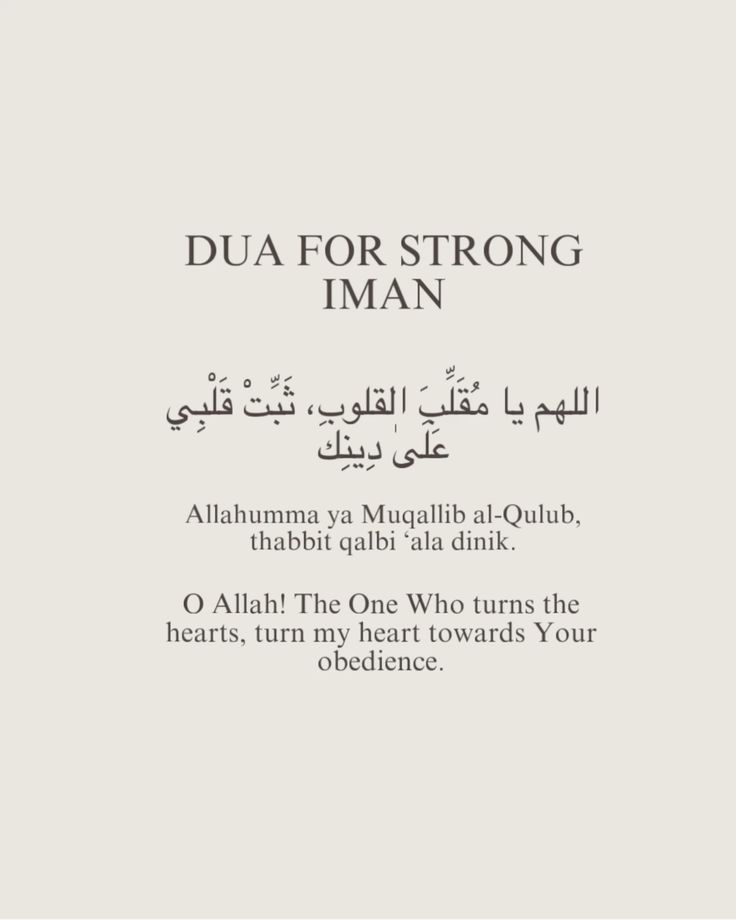
The closing dua
O Allah, we ask You for Paradise. O Allah, we ask You for the highest Firdaws. O Allah, grant our souls their taqwa and purify them, for You are the best of those who purify. You are their Guardian and their Master. O Allah, grant honour to Islam and to the Muslims.